How to Buy a Car Remotely Without Regret
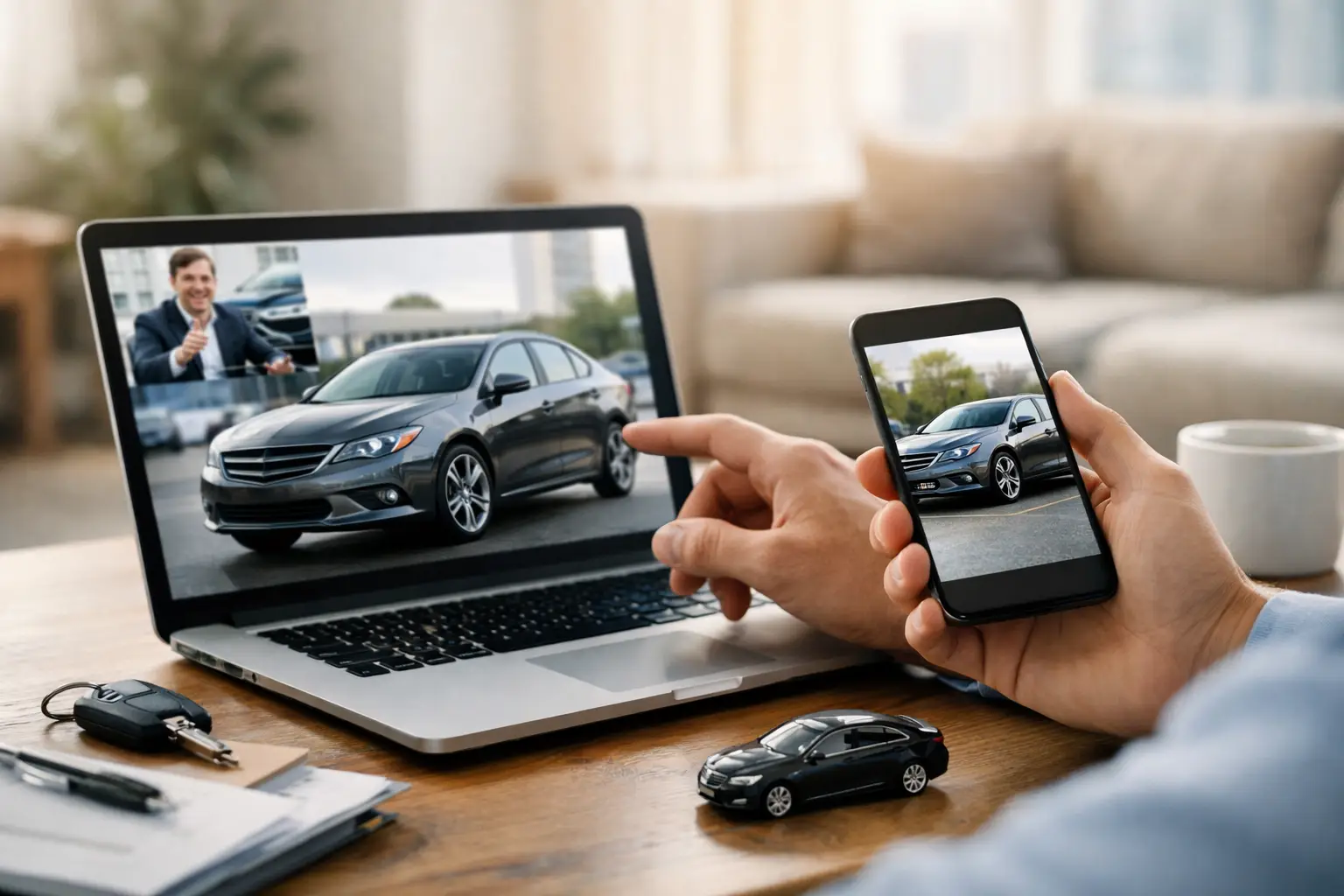
The difference between a smart remote purchase and a costly mistake usually comes down to one thing: process. If you want to know how to buy a car remotely, you need more than a listing, a few photos, and a salesperson saying, “It’s clean.” You need a way to verify the vehicle, control the numbers, and protect yourself before money changes hands.
Remote car buying has become a practical option for busy professionals, families, and anyone tired of spending weekends driving from lot to lot. It can save time, expand your options beyond your local market, and make it easier to compare deals objectively. But convenience only helps if the transaction is managed carefully. No guessing. No settling. No dealership visits unless you actually want one.
Why buying remotely can work so well
When you shop remotely, you are not limited to what happens to be within 20 miles of your house. That matters when local inventory is thin, pricing is inconsistent, or the exact trim, color, mileage, or features you want just are not available nearby.
It also changes the pace of the deal. In person, buyers often make rushed decisions because they are sitting at a desk, waiting on a manager, and responding to pressure in real time. Remotely, you can review numbers, compare options, and ask better questions without being cornered into a same-day commitment.
That said, distance does not remove risk. It shifts the risk. Instead of pressure in the showroom, the biggest issues tend to be incomplete information, weak documentation, surprise fees, and a vehicle arriving in different condition than expected.
How to buy a car remotely step by step
The safest remote purchases follow a simple sequence: define the right vehicle, verify availability, confirm the full deal structure, inspect the car, and only then finalize payment and delivery.
Start with a precise vehicle target
Be specific before you contact any seller. That means year range, trim level, mileage cap, must-have features, acceptable colors, and your out-the-door budget. If you are too broad, it becomes easier for a seller to redirect you to a similar vehicle that works better for them than for you.
This is especially important with used cars, where condition and history matter as much as price. Two vehicles that look identical online can have very different service histories, tire condition, accident records, or reconditioning needs.
For new cars, precision helps you compare real offers. Dealers may advertise one price on a base model and then steer you toward a more expensive unit with dealer-installed accessories or different packages.
Ask for the full out-the-door number early
One of the most common remote buying mistakes is focusing on the sale price and ignoring the full transaction. Always ask for the out-the-door price in writing. That includes vehicle price, dealer fees, taxes, registration, documentation charges, shipping if applicable, and any add-ons.
If the seller will not provide a complete written breakdown, treat that as a warning sign. A good remote deal should be easy to explain on paper. If the numbers keep changing, or fees appear late in the process, step back.
This is also where negotiation matters. A lower advertised price does not always mean a better deal once extras are added. The right comparison is total cost, not just headline pricing.
Verify the vehicle, not just the listing
Photos and descriptions are marketing tools, not proof. Ask for the VIN, a copy of the window sticker for new vehicles or buyer’s guide for used ones, and current photos or video of the exact car. Not stock images. The actual vehicle.
For used cars, request close-up photos of the tires, wheels, interior wear areas, odometer, windshield, paint imperfections, and any scratches or dents. Ask for a cold-start video and a walkaround in daylight. If the seller hesitates, that tells you something.
Vehicle history reports are helpful, but they are not complete. Not every issue gets reported. A clean history report does not guarantee a clean car.
Get an independent inspection when it makes sense
If you are buying a used vehicle remotely, an independent pre-purchase inspection is often worth it. Especially if the car is higher mileage, more expensive, out of warranty, or being sold by a dealership or seller you have never worked with before.
An inspection can uncover worn brakes, tire replacement needs, past repairs, leaks, warning signs of poor maintenance, or evidence of paintwork that does not show clearly in photos. It may cost a little upfront, but it can save thousands and help you negotiate from a stronger position.
For late-model certified vehicles, the need may be lower, but not always zero. Certification standards vary, and some buyers still want independent confirmation for peace of mind.
Financing, trade-ins, and add-ons from a distance
Remote buying gets more complicated when financing, a trade-in, and optional products are all involved. That does not mean you should avoid the deal. It means every piece needs to be separated and reviewed clearly.
Secure financing before you finalize
Even if you plan to finance through the seller, get a competing approval first. That gives you a benchmark on interest rate, term, and payment. Without that, it is hard to tell whether the financing offer is actually competitive.
Focus on total cost, not just monthly payment. Stretching the term can make a payment look manageable while increasing the amount you pay over time. If the vehicle is used, consider how long you realistically plan to keep it and whether the loan term still makes sense.
Be realistic about your trade-in
A remote trade-in can absolutely work, but condition descriptions need to be accurate. Be honest about mileage, warning lights, cosmetic damage, tire wear, and accident history. If your description is incomplete and the vehicle shows up in worse condition than expected, the offer can change.
Get the trade value in writing and confirm whether it is firm or subject to final inspection at pickup. Also verify how your state handles tax savings on trade-ins, because that can affect the real math.
Review warranties and protection products carefully
This is where many buyers lose control of the deal. Extended warranties, GAP coverage, maintenance plans, wheel and tire packages, theft products, and cosmetic protection may be offered remotely just as aggressively as they are in the finance office.
Some products have real value. Some do not. It depends on the vehicle, your driving habits, the factory coverage already included, and the actual terms of the product. Ask what is optional, what it costs, what it covers, and whether it can be cancelled. Never assume an add-on is required to secure financing or keep the quoted price.
Paperwork, payment, and delivery
This is the part buyers tend to underestimate. The car may be selected and the price may be agreed upon, but the transaction is not safe until the paperwork and logistics are handled correctly.
Read every document before signing
Ask for copies of the purchase agreement, financing documents, odometer disclosure, and any product contracts before you sign electronically. Review them line by line. Match them against the numbers you were quoted.
Look for changes in sale price, added accessories, duplicate fees, or products you did not approve. If anything is unclear, pause the process. A legitimate seller should be able to explain every charge plainly.
Use secure payment methods and confirm title details
Before sending funds, confirm who is being paid, where the money is going, and what you are receiving. Wire fraud and last-minute payment changes are real risks. Always verify instructions through a trusted phone number, not just an email thread.
For used vehicles, ask about title status. If there is a lien, understand how it will be cleared and when title or registration documents will be issued. If you are buying from out of state, make sure temporary tags and registration timing are clearly explained.
Know how shipping and delivery will work
Some remote purchases involve home delivery. Others require transport by a third-party carrier or pickup at a designated location. Clarify who is arranging shipping, who is paying for it, how long it should take, and what happens if there is a delay.
When the vehicle arrives, inspect it before accepting delivery if possible. Compare its condition to the photos and written disclosures. Note any damage immediately. Delivery is not just the finish line. It is your last checkpoint.
When professional help makes the process easier
If all of this sounds manageable but time-consuming, that is because it is. Buying remotely works best when someone is controlling the details instead of reacting to them. For many buyers, the hardest part is not finding a car. It is separating a real deal from a polished sales pitch.
That is where a car-buying advocate can change the experience. A service like Auto Allies helps buyers define the right vehicle, source options nationwide, negotiate anonymously, compare true out-the-door pricing, coordinate inspections, review financing, and manage the process through delivery. The value is not just convenience. It is protection against the small mistakes that turn into expensive ones.
Remote car buying should feel easier than the traditional dealership process, not riskier. If you slow the process down, verify the details, and keep every number in writing, distance becomes a tool instead of a liability. The right car does not have to be local – but the decision still has to be disciplined.