
How Does the Tundra Compare to Other Trucks?
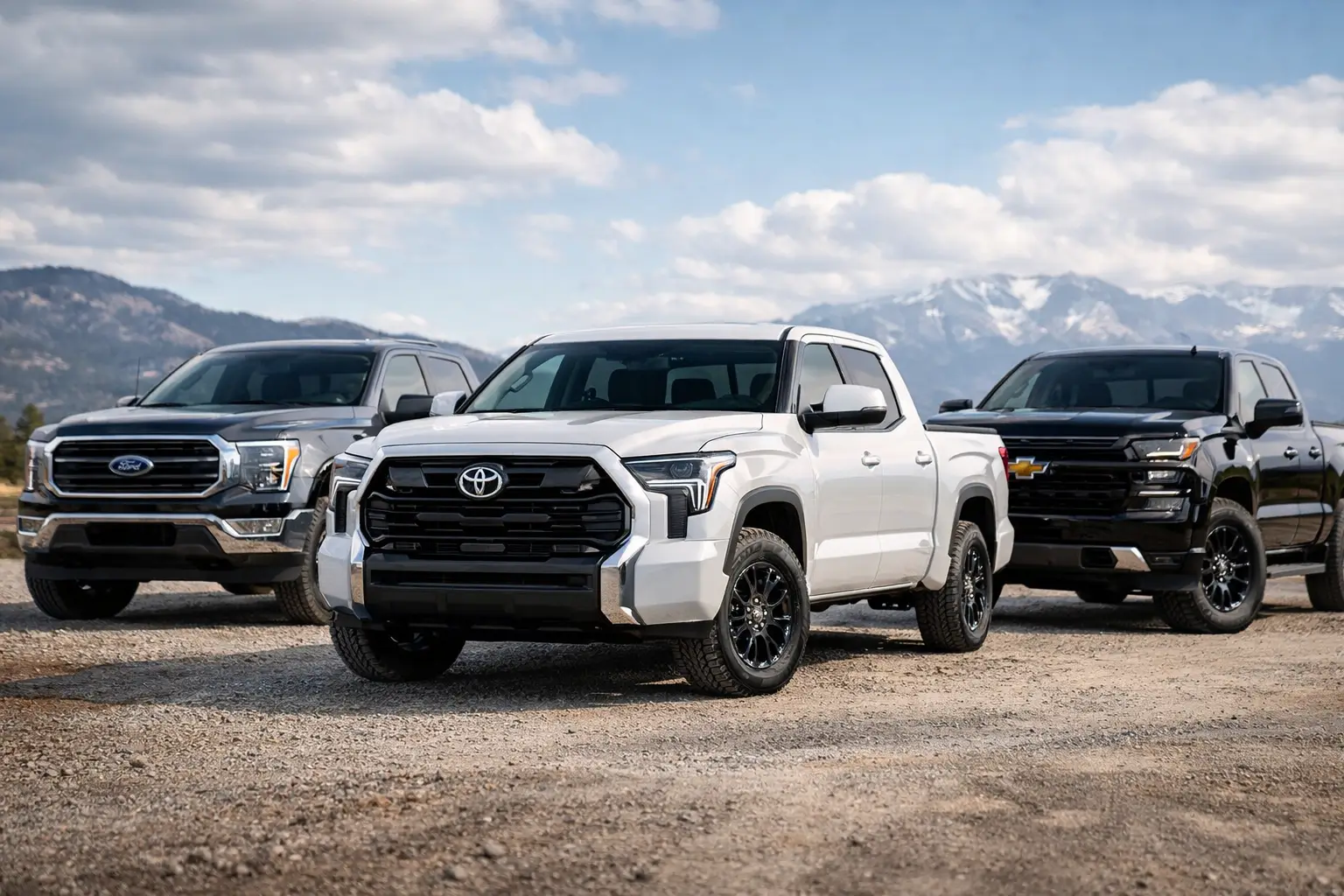
If you are asking how does the Tundra compare to other trucks, you are probably not looking for brand hype. You want to know whether it fits your real life better than a Ford F-150, Chevy Silverado 1500, GMC Sierra 1500, Ram 1500, or Nissan Titan. That is the right question, because full-size trucks can look similar on paper while feeling very different once you factor in towing, daily driving, ownership costs, and long-term confidence.
The Toyota Tundra sits in a crowded class, and it does not try to win every category. Instead, it tends to appeal to buyers who want a strong mix of capability, dependability, and straightforward ownership. For some shoppers, that balance makes it the best choice. For others, one of the domestic rivals may be a better fit.
How does the Tundra compare to other trucks on performance?
The current Tundra uses a twin-turbo V6 instead of the old V8, and that matters because many truck buyers still associate power with cylinder count. In practice, the Tundra delivers strong acceleration and solid towing performance. It feels quick, responsive, and more modern than older full-size trucks that relied on naturally aspirated V8s.
Compared with the Ford F-150, the Tundra is competitive, but Ford gives buyers more engine variety. If you want a broad menu that includes multiple gas engines, a hybrid, and specialized work-focused or off-road setups, the F-150 offers more flexibility. The Tundra keeps the lineup simpler, which can be a benefit if you want fewer confusing choices.
Against the Chevy Silverado and GMC Sierra, the Tundra feels similarly capable for everyday towing and hauling. The GM trucks often attract buyers who want familiar V8 options or a diesel in certain model years and trims. If your priority is having more powertrain paths to choose from, Toyota is more limited. If your priority is getting a strong modern setup without spending days comparing engine codes, the Tundra has an advantage.
Ram is the comfort leader for many buyers, but the Tundra holds its own with a composed ride and confident road manners. If you spend more time commuting than towing, the difference between these trucks often comes down to personal preference. Some buyers prefer the Ram’s softer, more polished feel. Others like the Tundra’s more controlled, truck-like character.
Towing and payload: good, but not always class-leading
This is where trade-offs matter. The Tundra can tow well enough for many owners with boats, campers, trailers, and weekend equipment. But if you are shopping for the highest possible max tow rating or you need every last pound of payload, some rivals can beat it.
That does not automatically make the Tundra the weaker choice. Many truck buyers over-shop capability and end up paying for numbers they never use. If your trailer is comfortably within the Tundra’s range and your bed use is typical home improvement, recreational, or light business hauling, the real-world gap may be small.
Where this becomes important is for buyers with very specific heavy-duty needs. If you tow near the upper edge of half-ton limits on a regular basis, it is worth comparing exact configurations, axle ratios, cab setups, and bed lengths across brands. This is one area where the best truck depends less on badge loyalty and more on your actual numbers.
Interior comfort and technology
The Tundra’s cabin is one of its strongest arguments. Higher trims feel upscale, and even lower trims tend to be practical and easy to live with. Toyota’s layout generally makes sense, and the truck feels designed for owners who want usable technology rather than a learning curve.
Compared with the Ram 1500, the Tundra may not always feel as plush, especially in top luxury trims. Ram has built a strong reputation for interior comfort. But Toyota closes the gap with a modern design, available large touchscreen, and strong everyday usability.
Against Ford, Chevy, and GMC, the Tundra is competitive and sometimes simpler to navigate. Some trucks offer more trim variety, flashier presentation, or extra feature packaging. The Tundra often wins with clarity. That matters if you are buying for family use, road trips, or daily commuting and want features that are easy to use from day one.
Rear seat space and storage will vary by cab configuration, so that is one area where side-by-side comparison matters. Families should pay close attention to child seat fit, under-seat storage, and how the truck feels when everyone is actually inside. A spec sheet can only tell you so much.
How does the Tundra compare to other trucks for reliability?
This is one of the biggest reasons buyers put the Tundra on their shortlist. Toyota has earned long-term trust with many consumers, and that reputation carries weight in a category where repair costs, downtime, and depreciation can add up fast.
No truck is perfect, and every model year should be researched on its own. Still, many buyers see the Tundra as a safer bet for long-term ownership than some competitors. That is especially appealing if you plan to keep the truck well past the warranty period or if you simply do not want to spend your time dealing with service issues.
Ford, Chevy, GMC, and Ram all have strong trucks, but ownership experience can vary more depending on engine choice, trim complexity, and production year. The Tundra’s appeal is that it often feels less like a gamble. No guessing. No settling for a truck that looks great on the lot but becomes frustrating after 40,000 miles.
For used truck buyers, this point becomes even more important. A lower purchase price on another brand may look attractive at first, but long-term maintenance and resale value can change the math quickly.
Value, pricing, and resale
The Tundra is not always the cheapest truck to buy. In some markets, domestic brands may offer more aggressive incentives, bigger discounts, or a wider supply of inventory. If your goal is the absolute lowest upfront price, the Tundra may not win.
But purchase price is only part of the story. Toyota trucks often hold value well, and that can help offset a higher initial cost. Strong resale matters whether you trade in after a few years or sell privately later. It also matters if you are financing, because retained value affects your overall ownership equation.
This is where smart truck buying gets more strategic. A truck with a lower sticker price is not necessarily the better deal once you factor in insurance, fuel use, maintenance risk, resale strength, and financing terms. That is why buyers who compare only monthly payments often miss the bigger picture.
For busy shoppers, this is also where professional deal support can make a real difference. A truck may look competitive online, but the actual out-the-door cost, trade-in number, finance structure, and add-ons can shift the deal more than the advertised price.
Who should buy a Tundra?
The Tundra makes the most sense for buyers who want a full-size truck that feels capable, modern, and trustworthy without turning the shopping process into a research project. It is a strong fit for families, commuters who still need truck utility, and owners planning for long-term use.
It is also a smart pick for buyers who care about resale and want to reduce the odds of ownership headaches. If you are not chasing the highest tow rating, the fanciest luxury trim, or the broadest possible engine menu, the Tundra’s balanced approach is very appealing.
On the other hand, if you need a highly specialized setup, want maximum configuration options, or are focused on heavy towing above all else, one of the domestic trucks may serve you better. That is not a knock on the Tundra. It is just a reminder that the best truck is the one that matches your workload, budget, and ownership timeline.
The right truck depends on more than the badge
When buyers ask how does the Tundra compare to other trucks, the real answer is that it compares well where many people need it most. It is strong, comfortable, easier to trust over time, and often better balanced than the numbers-only comparisons suggest. What it does not always do is dominate every headline category.
That is why truck shopping should start with your use case, not a commercial or a loyalty habit. Think about what you tow, how long you keep vehicles, how often your truck doubles as a family vehicle, and how much hassle you are willing to accept after the sale. Once those answers are clear, the best choice usually gets a lot easier.
A good truck should make life simpler, not more complicated. The Tundra often delivers exactly that.