
Electric Vehicle Incentives Before You Buy
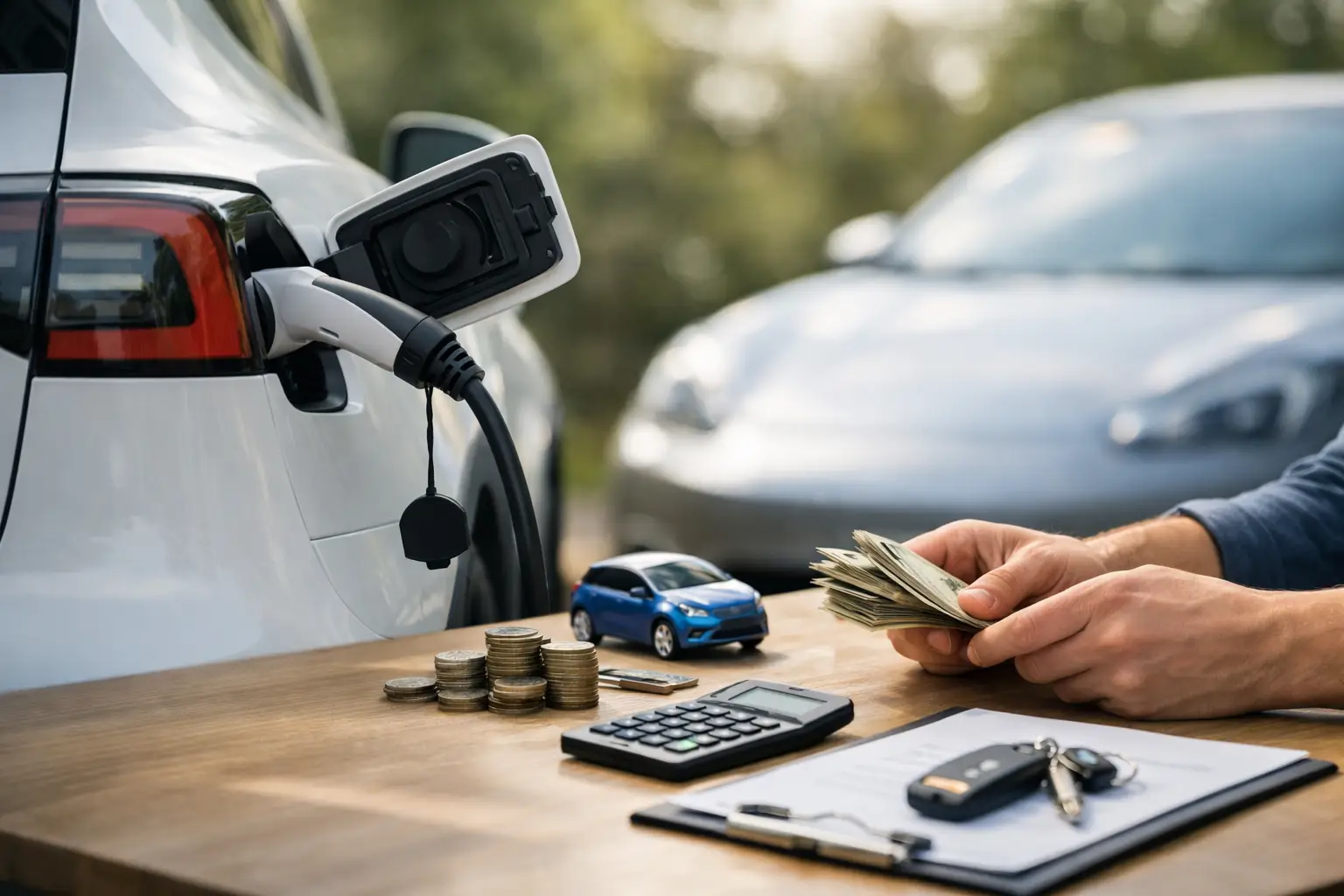
A $7,500 incentive sounds straightforward until a dealer quote, a lease offer, and your tax situation all tell slightly different stories. Electric vehicle incentives can make an EV far more affordable, but only when the vehicle, buyer, deal structure, and paperwork line up. No guessing. Before you commit to a payment or a vehicle that is sitting on a lot, understand which savings actually apply to your purchase.
Why electric vehicle incentives are not one simple discount
Most buyers hear about a federal EV tax credit and assume it comes off the sticker price automatically. Sometimes a qualifying credit can be applied at the point of sale, which may reduce the amount you need to finance. But that does not mean every EV qualifies, every buyer is eligible, or every dealer has completed the process correctly.
The details matter because incentives come from different places and follow different rules. Federal programs may have requirements related to the vehicle’s final assembly, battery sourcing, MSRP, buyer income, and dealer reporting. State, local, utility, and manufacturer programs can add more savings, but they may have their own deadlines, income limits, residency rules, or application steps.
A strong EV deal is not simply the one with the biggest incentive headline. It is the one that combines the right vehicle, real eligibility, competitive pricing, and financing terms that make sense for your household.
Start with the federal clean vehicle credit
For many new EV buyers, the federal clean vehicle credit is the first number to investigate. The maximum credit has commonly been advertised as up to $7,500, but qualifying for the full amount depends on the specific vehicle and current program rules. A model can qualify in one trim, battery configuration, or model year and not in another.
Buyer eligibility also matters. Federal income limits can apply, and the limit is based on modified adjusted gross income, not simply what appears as your salary. There are also MSRP caps that vary by vehicle category. An SUV may be permitted at a higher price ceiling than a sedan, for example. A single option package can push a vehicle beyond the applicable cap.
Do not rely on a salesperson saying, “It qualifies.” Ask for the exact VIN and the dealer’s written confirmation of the vehicle’s eligibility. The vehicle identification number is what connects the incentive to the actual car you are buying, not just the model name on a window sticker.
Point-of-sale savings still require care
When a credit is transferred to a dealer at the time of purchase, the dealer may reduce the transaction price or provide an equivalent down-payment benefit. That can be helpful because it lowers the cash you need upfront and may reduce your financed balance.
Still, review the buyer’s order carefully. Confirm the incentive amount, the vehicle VIN, and any forms you are required to sign. You should also understand whether your income makes you eligible before accepting a transferred credit. If you are over the income limit, the issue may not disappear just because the dealer applied the savings at delivery.
The cleanest approach is to treat the credit as a verified component of the deal, not a verbal promise. It should be clear on your paperwork alongside the selling price, taxes, fees, trade-in figures, and financing terms.
Used EV incentives can be valuable, with tighter limits
A used EV may qualify for a separate federal credit, often called the previously owned clean vehicle credit. For budget-conscious buyers, this can be a meaningful opportunity because it can reduce the cost of an already-depreciated vehicle.
The trade-off is that used-vehicle eligibility is more restrictive. The vehicle generally must meet age and sale-price requirements, be purchased from a qualifying dealer, and satisfy other program conditions. Private-party transactions typically do not qualify for the federal used EV credit. Buyer income limits are also lower than they are for new EV purchases.
This is where an apparently inexpensive EV can create confusion. A low price alone does not make it eligible. The car’s prior ownership, its first use, its sales history, the dealer’s reporting, and your own eligibility all matter. Ask for the VIN, the vehicle history, and written confirmation that the dealer can process the credit before assuming it belongs in your budget.
Leasing can change the incentive conversation
Leasing an EV is different from buying one. In a lease, the leasing company owns the vehicle and may be eligible for a commercial clean vehicle credit. Some manufacturers and captive finance companies pass some or all of that value to the customer through a lease incentive.
That can make leasing attractive when a vehicle does not qualify for a consumer purchase credit due to assembly rules, MSRP, or buyer income. But a lease credit is not automatically a better deal. The lessor decides whether to pass along the benefit and how to present it. One offer may show it as a capitalized-cost reduction, while another may use it to support a lower monthly payment.
Compare the full lease structure: the adjusted capitalized cost, money factor, residual value, mileage allowance, acquisition fee, disposition fee, and total due at signing. A low monthly payment can hide a large upfront amount or a weak trade-in value. Incentive money should improve the entire deal, not distract from it.
Look beyond federal electric vehicle incentives
State and local programs can make a real difference, especially if you live in an area that is actively expanding charging infrastructure and EV adoption. Depending on where you live, there may be rebates, tax credits, reduced registration costs, charging-equipment assistance, utility-rate programs, or incentives tied to retiring an older vehicle.
These programs are rarely uniform. Some are first-come, first-served and can run out of funding. Others require an application after purchase, while some require preapproval. A rebate may be based on your household income, the vehicle price, where you live, or whether you buy versus lease.
Utility programs deserve a closer look, too. A lower overnight charging rate or a rebate for a home charger may be worth more to your monthly budget than a small one-time perk. On the other hand, renters, condo owners, and households without dedicated parking may have limited access to home-charging benefits. The right EV plan depends on how and where you will actually charge.
Do not let incentives distract from the vehicle price
Dealers and manufacturers can combine an EV tax credit, lease support, customer cash, loyalty offers, financing incentives, and trade-in messaging in the same proposal. That can make an offer look generous while obscuring the most important number: the selling price before incentives and before financing.
Ask to see the deal in a clean sequence. First, establish the vehicle’s selling price. Then account for any manufacturer incentives, verified government incentives, trade-in value, taxes, fees, and financing costs. This makes it easier to spot whether a dealer has raised the vehicle price, padded fees, or undervalued your trade to offset a credit.
It also helps you compare offers from different dealers. One dealer may advertise a lower monthly payment because it assumes a large down payment or includes a credit you cannot use. Another may have a better out-the-door price even if its headline payment is higher.
A practical way to verify your EV deal
Before placing a deposit, gather the details that determine whether the savings are real. You need the exact VIN, model year, trim, MSRP, proposed selling price, and purchase or lease structure. You also need a candid view of your household income and whether a tax professional should review your situation.
Then ask the dealer to document every incentive separately. A legitimate offer should identify whether each amount is manufacturer-funded, dealer-funded, federal, state, utility-related, or lease-specific. If an incentive is described vaguely as “EV savings,” keep asking until the source and conditions are clear.
Finally, check the timing. Delivery date, purchase date, model-year changeovers, program funding windows, and dealer reporting deadlines can all affect the result. An incentive available when you begin shopping may not be available when your vehicle arrives.
For buyers who want an advocate in the process, Auto Allies can help evaluate the full transaction rather than letting one attractive credit drive the decision. That means finding the right vehicle, negotiating the underlying deal, and making sure incentives are handled as part of the complete purchase strategy.
The best time to sort out EV incentives is before you fall in love with a specific payment. Bring the numbers into the open, verify the VIN and eligibility, and choose the vehicle that gives you confidence long after the paperwork is signed.