Exact Match Vehicle Search That Saves Time
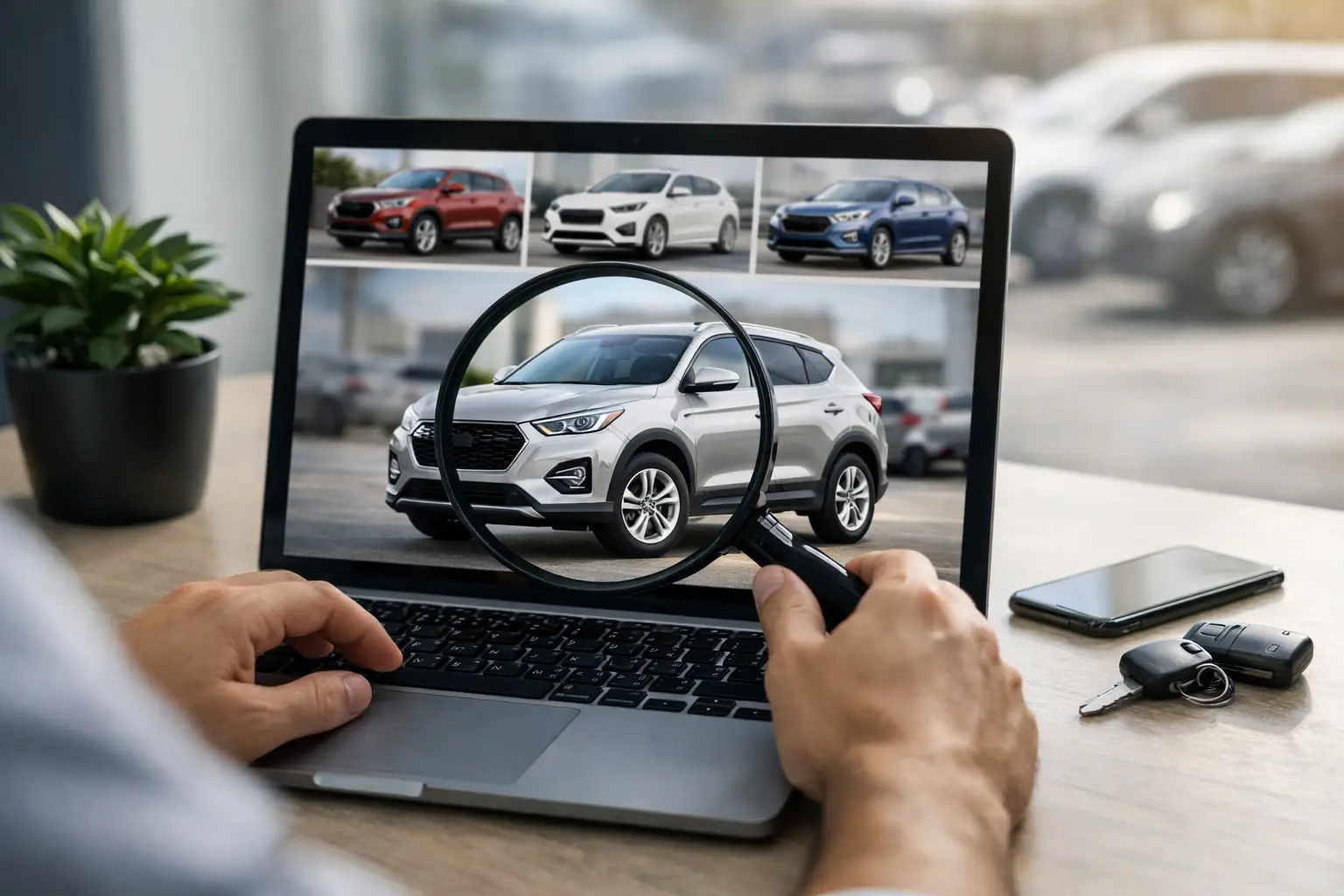
A dealer says they can get “something close.” That usually means wrong trim, missing features, extra packages you did not ask for, or a color you already ruled out. If you are serious about buying the right vehicle, exact match vehicle search is what separates a smart purchase from a compromise you live with for years.
For many buyers, the problem is not choosing a car. The problem is finding that car exactly as they want it, at a fair price, without spending nights comparing listings and weekends chasing dealerships. Local inventory is limited. Online listings are often outdated. Sales teams may steer you toward what is on the lot instead of what fits your needs. That is where a more precise search strategy matters.
What exact match vehicle search really means
An exact match vehicle search is a focused process for locating a vehicle that meets your specific requirements, not just the general model name. That includes the year, trim, drivetrain, engine, mileage range, color, package options, seating configuration, technology features, safety equipment, and budget.
In practice, this matters more than many buyers expect. A Honda Pilot EX-L is not the same buying decision as a Touring. An F-150 with the right towing package is very different from one that only looks similar in a listing photo. A used SUV with low miles but missing adaptive cruise control may not work for a long commute or a growing family. Small differences affect value, daily comfort, resale, and even insurance costs.
The phrase “exact match” does not mean there is only one acceptable VIN in the country. It means the search starts with your real must-haves and avoids the usual pressure to settle for near matches that benefit the seller more than the buyer.
Why local inventory often falls short
Most buyers start close to home, which makes sense at first. It is easy to assume the right vehicle should be somewhere nearby. But dealership inventory is shaped by what each store ordered, what they acquired at auction, what they want to move quickly, and what their market typically buys. Your needs may not line up with that.
That mismatch shows up fast. You want a specific trim with captain’s chairs, all-wheel drive, and a light interior. The local market has front-wheel drive models with bench seating. You want a used luxury SUV under a certain mileage threshold with one owner and a clean history. The nearest options have accident reports or overpriced add-ons. You want a truck without a long list of dealer-installed accessories that inflate the payment. The lot is full of them.
This is why exact match vehicle search works best when it goes beyond a single ZIP code. A wider search area increases your odds of finding the right fit while also giving you leverage. When you are not dependent on one local dealer’s inventory, you are in a much stronger position.
Exact match vehicle search is about more than features
Most buyers think exact match means a checklist of vehicle specs. That is part of it, but not the whole job. A real exact match vehicle search also looks at market conditions, pricing consistency, and total deal structure.
For a new vehicle, that means confirming whether the exact configuration exists, whether it is in transit, whether incentives apply in your region, and whether the advertised price reflects the real out-the-door number. Two identical vehicles can produce very different deals once financing, trade-in values, doc fees, protection products, and accessories are added.
For a used vehicle, the search gets even more nuanced. A perfect trim and color combination means less if the tires are worn, the reconditioning is weak, the prior ownership history raises questions, or the store is pricing aggressively because they know that exact spec is hard to find. Sometimes the right car is still the right car at a premium. Sometimes it is simply overpriced. Knowing the difference saves money and regret.
The trade-off buyers need to understand
There is a reason many people end up in “close enough” vehicles. An exact match search can take more work, and sometimes more patience, than picking from what is immediately available.
That does not always mean a long wait. In many cases, a nationwide search turns up strong options quickly. But it can mean making decisions about priorities. If your must-have list is long, your price target may need to adjust. If your budget is fixed, you may need flexibility on color, mileage, or package level. If timing is urgent, you may decide that one or two nice-to-have features are not worth delaying the purchase.
This is where buyers often need guidance. Not every preference carries equal weight. Heated rear seats might be easy to skip. Blind spot monitoring may not be. A certain wheel design may be cosmetic. Factory tow prep may be essential. The goal is not perfection for its own sake. The goal is the best-fit vehicle without paying for mistakes or settling on the wrong one.
How a smarter search process works
A strong search starts with clarity, not listings. Before anyone contacts a dealer, the vehicle profile should be specific. That means defining non-negotiables, preferred options, acceptable alternatives, budget limits, and timing. It also means deciding early how trade-in, financing, and warranty preferences fit into the purchase.
From there, the search should move across a broad network, not just public listing sites. This helps uncover vehicles that are incoming, recently acquired, or not yet broadly marketed. It also reduces the common problem of falling in love with a listing that was sold days ago.
Next comes validation. Is the vehicle truly the right trim? Does the equipment list match the VIN? Are there hidden fees? Is the seller pricing fairly relative to comparable vehicles in other markets? If used, does condition support the asking price? This stage protects buyers from wasting time on bad leads.
Then comes negotiation. This is where many buyers lose ground, even after finding the right vehicle. The search may be exact, but the deal still needs structure. Price is only one piece. Trade-in value, financing terms, required add-ons, warranty pressure, and delivery logistics can all change the outcome.
That is why a service like Auto Allies can be so valuable in an exact match search. The point is not just to locate the vehicle. It is to manage the entire buying process with no dealership visits, no guessing, and no settling for whatever happens to be easiest for the store to sell.
Common mistakes that weaken the search
One of the biggest mistakes is searching too broadly at the start and too narrowly at the end. Buyers often begin with “mid-size SUV under $40,000,” then suddenly fixate on one listing before checking whether it is actually a strong value. A better approach is the opposite. Start with a precise target, then compare multiple real options within that target.
Another mistake is trusting trim names without reviewing equipment details. Features can vary by model year, package, and regional distribution. A vehicle that looks right on paper may still miss something important.
Buyers also get tripped up by monthly payment thinking. A dealer can make the numbers look comfortable while stretching the term, lowering the trade number, or loading in products you did not ask for. A true exact match purchase is not complete until the financial side matches your goals too.
When exact match matters most
Some purchases make precision especially worthwhile. Family vehicles are a clear example because daily use exposes every compromise. Trucks and towing vehicles also benefit from a strict match because capability differences matter. First-time buyers often need an exact fit on budget and features to avoid expensive course correction later. And if you plan to keep the vehicle for years, getting the right one the first time usually costs less than trading out of the wrong one.
There are also moments when flexibility makes sense. If lease programs are changing, rates are moving, or your current vehicle has become unreliable, speed may matter more than one cosmetic preference. The key is making that compromise on purpose, not under pressure.
What buyers should expect from the right support
An exact match search should leave you feeling more in control, not more overwhelmed. You should know what you are looking for, what it should cost, what trade-offs are reasonable, and what steps come next. You should not have to decode sales tactics or wonder whether “this is the best we can do” is actually true.
The best buying experience is not about scrolling longer or visiting more dealerships. It is about having a clear plan, a broader search, and an advocate who treats your requirements like the standard, not a suggestion.
The right vehicle is rarely the one a dealer happens to have ready today. It is the one that fits your life, your budget, and your priorities without forcing you into a bad decision just to move things along. That is what makes exact match worth pursuing.